 ItineraryPhoto: NikonZ7II · CC BY-SA 4.0
Rome, Italy
One Day in Rome: 3 Unique Ways to Plan Your Itinerary
A route through Rome from Earth Trekkers, suggesting what to see each day and in what order.
↗ Earth Trekkers2023-04Our Rome route →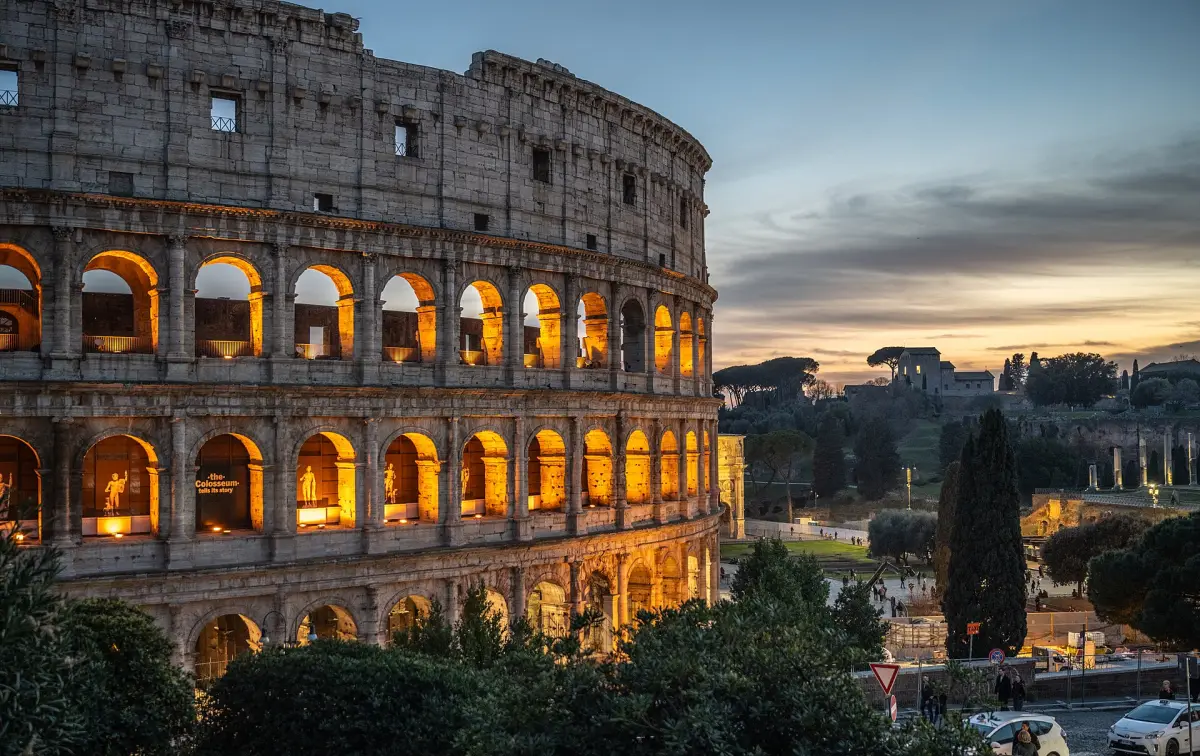
Three full days for a first visit: Colosseum and Forum, the Vatican, then the historic centre. Prioritise the icons and leave Borghese and Testaccio for a longer stay.
Already have a plan for Rome?Paste your notes or an AI plan and get it designed →
Review the original daily plan before editing below. Times and durations are suggested planning blocks; dining stops are not reservations. Your personal edits appear in the editor and downloads.
 i
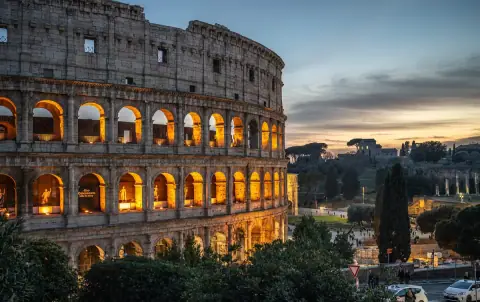
Book a timed ticket; the standard one also covers the Roman Forum and Palatine Hill.
Reserve timed admission. Approximate map pin; confirm the entrance and current opening hours.
 i
Walk the ruins of ancient Rome's centre, then climb the Palatine for the view over the Circus Maximus.
Allow a lunch break before entering. Approximate map pin; confirm the entrance and current opening hours.
Rome's busiest square, under the white marble Vittoriano monument.
Approximate map pin; confirm the entrance and current opening hours.
 Dish photoi
Rome's oldest pizzeria, from 1905, reopened under new owners in 2025: thin, crisp Roman pizza and fried starters.
Pizza. Community guide highlights this restaurant’s food or dining experience positively. Suggested dining time, not a booking. Confirm service days, availability, dietary needs and current menu prices before travelling. Guide-listed service: Tue-Sun 19:00-00:00, closed on Mon. Recheck with the restaurant. About 0.9 km straight-line from the preceding stop; allow transit or taxi time as needed, not a measured walking route. Approximate map pin; confirm the entrance. Dining source: Wikivoyage contributors, https://en.wikivoyage.org/wiki/Rome/Colosseo (checked 2026-10-30). Guide recommendations are not live customer star ratings. Wikivoyage revision 5392330; selection and timing adapted under CC BY-SA 4.0.
 i
The Sistine Chapel is at the end of the route; book ahead and allow at least three hours.
Reserve admission and check the day's access rules. Approximate map pin; confirm the entrance and current opening hours.
 i
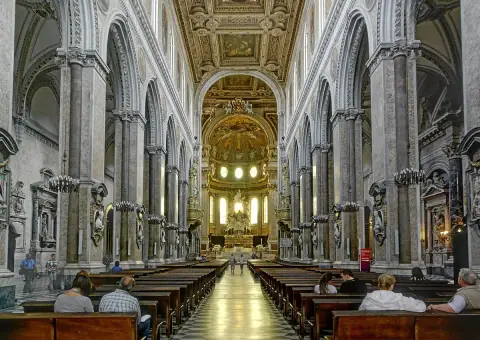
Free to enter after the security line; climbing the dome costs extra.
Allow for security queues and worship access. Approximate map pin; confirm the entrance and current opening hours.
 i
Hadrian's tomb turned papal fortress; walk the angel-lined bridge and the Tiber at sunset.
Exterior and river walk; interior visit is optional. Approximate map pin; confirm the entrance and current opening hours.
 Dish photoi
Tiny trattoria near the Spanish Steps, open since 1886, for Roman classics like cacio e pepe. No bookings.
Traditional. Community guide highlights this restaurant’s food or dining experience positively. Suggested dining time, not a booking. Confirm service days, availability, dietary needs and current menu prices before travelling. Guide-listed service: Open for lunch and dinner. Closed Sun. Recheck with the restaurant. About 1.1 km straight-line from the preceding stop; allow transit or taxi time as needed, not a measured walking route. Approximate map pin; confirm the entrance. Dining source: Wikivoyage contributors, https://en.wikivoyage.org/wiki/Rome/North_Centre (checked 2026-10-30). Guide recommendations are not live customer star ratings. Wikivoyage revision 5386412; selection and timing adapted under CC BY-SA 4.0.
 i
Bernini's Fountain of the Four Rivers, on a square built over a Roman stadium.
Approximate map pin; confirm the entrance and current opening hours.
 i
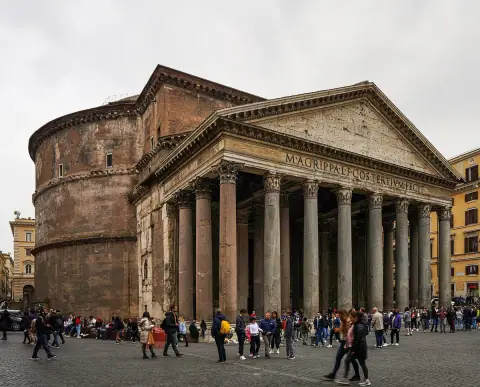
The best-preserved Roman temple, with an open eye in its dome; entry needs a ticket.
Check visitor tickets and religious services. Approximate map pin; confirm the entrance and current opening hours.
 i
Since February 2026 the steps down to the basin cost €2; the view from the square is still free.
Approximate map pin; confirm the entrance and current opening hours.
 i
135 steps up to Trinità dei Monti. Sitting on them is fined, so enjoy them on foot.
Approximate map pin; confirm the entrance and current opening hours.
Dish photoiNeighbourhood trattoria and pizzeria in Trastevere, open for lunch and dinner.
Pizza, traditional. Community guide highlights this restaurant’s food or dining experience positively. Suggested dining time, not a booking. Confirm service days, availability, dietary needs and current menu prices before travelling. Guide-listed service: 12:30-15:30 & 19:00-00:00. Recheck with the restaurant. About 1.9 km straight-line from the preceding stop; allow transit or taxi time as needed, not a measured walking route. Approximate map pin; confirm the entrance. Dining source: Wikivoyage contributors, https://en.wikivoyage.org/wiki/Rome/Trastevere (checked 2026-10-30). Guide recommendations are not live customer star ratings. Wikivoyage revision 5386418; selection and timing adapted under CC BY-SA 4.0.
Our planning suggestions for this template. These are editorial choices, not live transport times or confirmed reservations.
Ancient Rome, the Vatican and the historic squares each get their own day. Keeping the Colosseum and Forum together makes the archaeological visits easier to plan.
The Forum and Palatine block is substantial. Leave lunch and recovery time before Piazza Venezia, especially if travelling with children.
On a wet or tiring day, shorten the flexible squares walk. Move the Vatican museum day only after checking your reserved entry.
Price the archaeological sites, Vatican Museums and any other paid interior visits individually. Do not assume a pass includes every attraction or reservation.
Choose this route if you have three full sightseeing days and want the Colosseum, Vatican and historic centre. It suits a first visit with two substantial museum or archaeological days, rather than a slow neighbourhood holiday.
Keep one major area per day. Leave out the Borghese Gallery and a dedicated Testaccio/Aventine day; adding them would reduce time at the core sights. If arrival or departure uses one of your three days, remove a major visit instead of squeezing this full-day plan into less time.
A worked example, not current hotel or ticket prices. Assumes two adults sharing a €100 room per night, €35 per person per day for food, and the transport and admission allowances below. Replace every assumption with your own quotes.
| Category | Example amount |
|---|---|
| Accommodation (2 × €100 ÷ 2) | €100 |
| Food (3 × €35) | €105 |
| Local transport allowance | €20 |
| Admission allowance | €75 |
| Example total | €300 |
What was worth it, what you'd skip, where you ate. Your tips help the next traveller plan this trip.
ItineraryPhoto: NikonZ7II · CC BY-SA 4.0A route through Rome from Earth Trekkers, suggesting what to see each day and in what order.
↗ Earth Trekkers2023-04Our Rome route →BudgetPhoto: NikonZ7II · CC BY-SA 4.0How to see Rome without overspending, with costs and money-saving ideas from The Planet D.
↗ The Planet D2021-12Our Rome route →Similar routes and the tools to finish your plan.
 2 daysFlorence 2-Day ItineraryFlorence
 2 daysMilan 2-Day ItineraryMilan
 2 daysNaples 2-Day ItineraryNaples
 2 daysVenice 2-Day ItineraryVenice
Yes. It is free to edit any itinerary, start a blank one and download it as PDF, Google Docs, Google Sheets, Excel, CSV or a calendar file, with 36 free designs for PDFs and Google Docs. Pro ($4.99 once for a 90-day Trip Pass, or $19 once for early-bird lifetime Pro) unlocks every design for printable PDFs and Google Docs (200+) with unlimited downloads, an Excel planner with live formulas and charts, and a higher AI chat allowance.
No sign-up is needed to browse, edit or use the AI chat. Downloading (PDF, Google Docs, Excel, Google Sheets, calendar, CSV or print) needs a free account (email link or Google, no credit card), which also keeps trips in My trips across devices; without one, trips are kept in your browser.
No. Templates are drawn from official tourism boards and community travel guides and edited for pacing. Opening hours, prices and transport times are not live data: check them before you travel.
No. Google Docs works through an editable .docx file in the same designs as the PDFs (36 free, the rest with Pro): upload it to Google Drive and open it with Google Docs. It also opens in Microsoft Word and Apple Pages. There is no live sync with Google. Google Sheets works by copy and paste: the itinerary is copied as a table that you paste into a new sheet. There is no live sync with Google.
Stop photos come from Wikimedia Commons and Wikipedia under the free licences shown. “Dish photo” images illustrate the cuisine, not the restaurant itself.